
‘We warn each other’: how casting-couch culture endures in Hollywood | Film
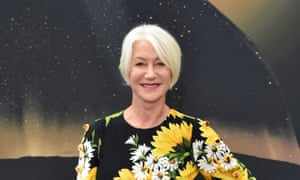
It seems every female actor of a certain status has perched uncomfortably on the casting couch at one time or another. Gwyneth Paltrow, Charlize Theron, Helen Mirren, Alison Brie, Susan Sarandon and Emmy Rossum have all recalled creepy come-ons from powerful men that took place early in their careers. In an interview in March, Jane Fonda revealed that she had once been fired “because I wouldn’t sleep with my bossâ€; Zoe Kazan recently described sexual harassment from a producer: “He’d say, ‘Oh, it’s a joke, ha ha.’ But he was also paying my cheque and then watching me from the monitor as I made out with another actor.†Thandie Newton has a particularly horrifying story about how she was persuaded, while still a teenager, to allow a director to film up her skirt during a “weird†audition and then discovered, decades later, that he was still passing the footage around at parties.
But this is all in the past, right? This is the stuff of depressing tangents or throwaway lines in the memoirs of Old Hollywood’s starlets. The entertainment industry of Emma Watson’s UN speeches, Ava DuVernay’s Oscars success and Wonder Woman has surely put these tawdry terrors behind it? On the surface, the situation does seem to have improved. In 2015, following a period of what Equity describes as “heightened concernâ€, the actors’ union established a working party. This resulted in last month’s Manifesto for Casting, a set of good practice guidelines that recommends, among other things, that “no sex act should be requested at any audition†and “a performer should not be requested to undress in whole or in part unless a mutually agreed observer is presentâ€.
The manifesto has been welcomed by the Casting Directors’ Guild and the Personal Managers’ Association, but there is some lingering scepticism from actors. “The unions have these standards written into their contracts, but they’re not enforced,†says Meissa Hampton, a US actor with numerous screen credits who, in 2015, founded the open forum S#! t People Say To Actresses on Tumblr. “You can go to the union and say I’ve experienced this, but they say: ‘Well, you should get a lawyer.’ Even if you could afford a lawyer â€" and a lot of this is happening to actors who are still making their way â€" your career would be over. So it’s a no-win situation. The culture is male-dominated and if you’re a female in the industry, part of what you’re obliged to understand is you’ve got to suck it up, or move on to another profession.â€
The casting couch-type behaviours that Hampton has either experienced personally or had regularly described to her, range from the traditional sexual proposition on a promise of future career advancement, to sexist casting-call character breakdowns that focus primarily on looks, and the notorious “body checkâ€. This, says Hampton, is the “totally absurd†yet “not at all unusual†practice of asking auditioning actors to strip down to their underwear and parade in front of the director, casting agent and whoever else happens to be in the room.
Debbie McWilliams, a casting director known for her work on the Bond films, says it is all just a symptom of a larger movie malaise: “I’m sure things go on, as they do in every workplace, but the biggest problem for actresses is the shortage of roles for them. A whole year can go past and I haven’t cast a single woman.â€

This observation is borne out by a US study examining the 100 top-grossing films from 2015, which found not only that female characters accounted for less than a third of speaking roles, but that those female roles that did exist were more than three times as likely to be sexualised or involve nudity. This, says Hampton, creates the kind of working environment in which harassment is normalised. “The question is, how much of it is consensual, if that’s the only work available to you?â€
Nor is all this stuff specific to Hollywood. A successful British actor who agreed to comment only on condition of anonymity paints a similar picture of working in film and TV in the UK. “Yeah, it’s funny that it’s called ‘the casting couch’ because you never really experience it when you’re going through the casting process,†she says. “It’s generally after you’ve booked a job and then, it’s like you’re made to feel you should earn your position there.†She describes being on the receiving end of a pattern of on-set behaviour from directors and other men in authority, including inappropriate touching and uninvited sexting. “I’d never spoken publicly about it, but I’ve spoken to friends about it and we all have, among actresses, a kind of understanding. We warn each other.â€
The big names have brought casting-couch culture to wider attention, but, for most actors, going public about such an experience without jeopardising their careers remains a virtual impossibility. Despite this, Hampton sees on-set camaraderie as cause for hope: “When there are more women empowered in the industry, the culture will begin to shift. Collectively, we are beginning to understand that together we tell better stories and create greater opportunity for one another. I do think things are getting better.â€
0 Response to "‘We warn each other’: how casting-couch culture endures in Hollywood | Film"
Posting Komentar